Japan Beyond Tokyo and Kyoto
Almost every first Japan itinerary is Tokyo and Kyoto with a bullet train between them. It is a good trip. It is also, by some distance, the most crowded version of the country available.
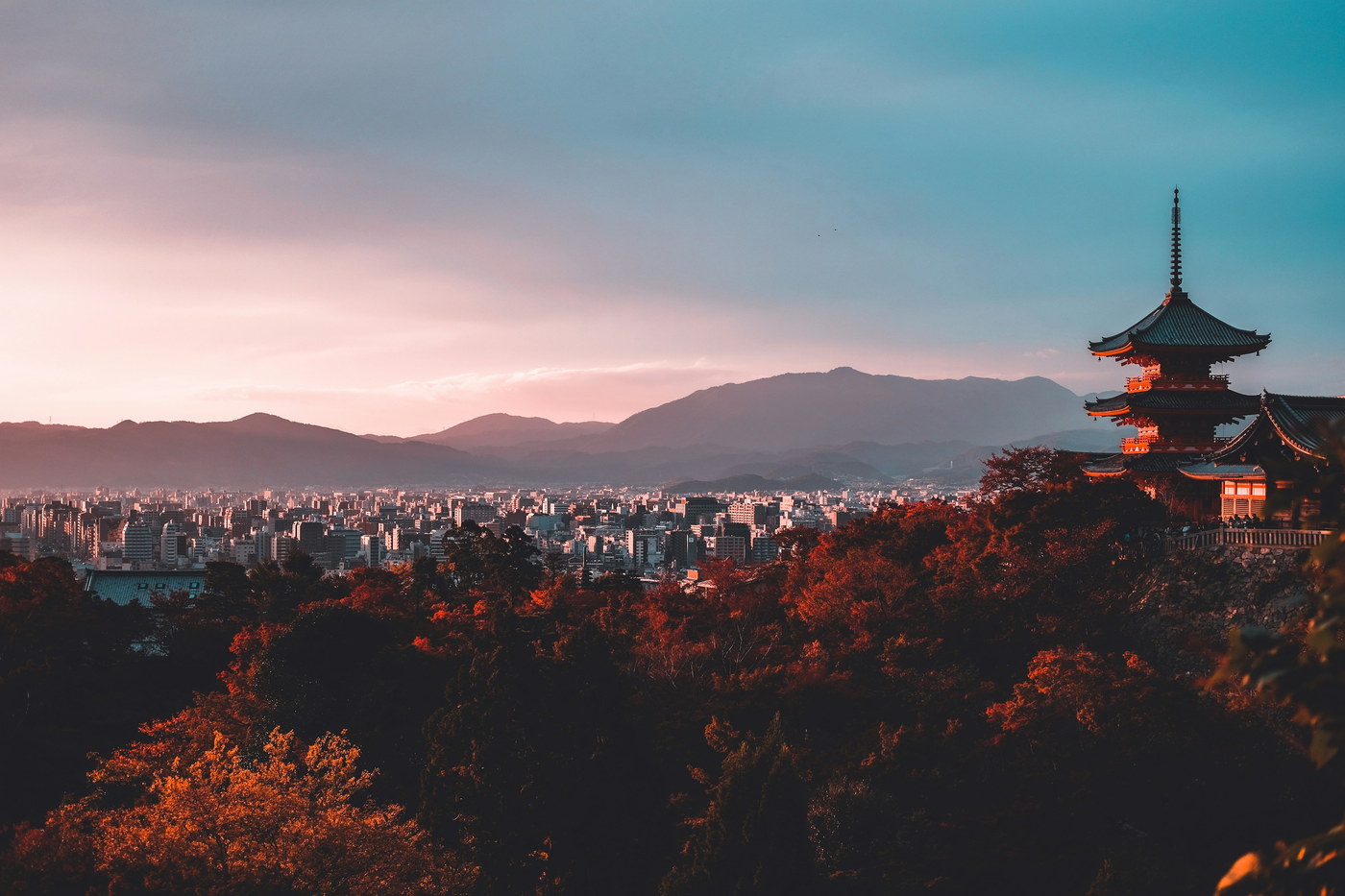
Tokyo and Kyoto deserve their reputations. They are two of the finest cities in the world and everybody should see both. But the standard ten-day itinerary, five nights in one and four in the other with a day trip to Nara, puts you exactly where every other visitor stands, at exactly the same hours.
Japan carries an unusually high density of interest. Go ninety minutes in almost any direction from a major city and you find something as good with a tenth of the people. Four suggestions we make constantly.
Naoshima, the art island
A small island in the Seto Inland Sea that a publishing family turned into a contemporary art project across three decades. Concrete built into hillsides. A Monet room lit entirely by natural light. An installation you enter in complete darkness and sit inside for fifteen minutes while your eyes adjust.
Stay the night. The day trippers leave on the late ferry and the island becomes yours. Two nights works better still.
Kanazawa, Kyoto without the queue
On the Sea of Japan coast, two and a half hours from Tokyo by shinkansen. Kenroku-en ranks among the three great gardens of Japan. There is an intact samurai district, an intact geisha district, a superb contemporary art museum, and seafood people travel from Tokyo for.
It delivers most of what visitors want from Kyoto at perhaps a fifth of the crowding. Two nights slot into a standard itinerary without lengthening it.
Koyasan, sleeping in a monastery
A mountaintop Buddhist settlement south of Osaka, reached by train and then a cable car. You stay in a temple, in a room with tatami and sliding paper doors, eat the vegetarian cuisine the monks eat, and attend the morning fire ceremony at six if you choose to.
The Okunoin cemetery at night, two kilometres of stone lanterns beneath thousand-year-old cedars, is the most atmospheric hour available in Japan. One night is enough. It will likely be the night you remember.
The Kiso Valley, walking the old road
A preserved stretch of the Nakasendo, the Edo-period highway between Kyoto and Tokyo. You walk eight kilometres between the post towns of Magome and Tsumago through forest and rice terraces, on a road in continuous use for four hundred years.
Your luggage goes ahead for a few hundred yen. You arrive at a family-run inn, bathe, and get fed river fish. It remains the most straightforward way to experience rural Japan without a car or the language.
What we would actually build
Three nights Tokyo. One night Koyasan. Three nights Kyoto. Two nights Kanazawa. Two nights Naoshima. Eleven nights, one rail pass, zero backtracking, and roughly half your time somewhere the standard itinerary never reaches.
You still see Tokyo and Kyoto properly. You simply stop treating them as the whole country.
Planning something along these lines? Tell us roughly what you have in mind.
Begin your journey→